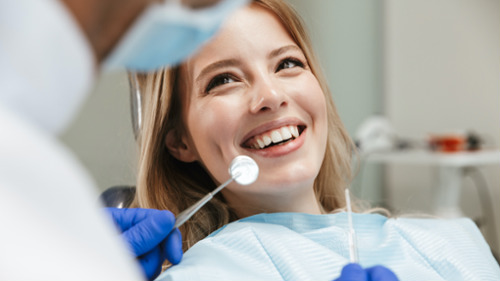
The moment you sit in the dental chair, your dentist begins gathering important clues about your oral health. This goes far beyond simply evaluating your smile. This first impression is intended to spot certain patterns, risks, and early warning signs. At Comfortable Dentistry in Coral Gables, Dr. Raymond Kimsey and our team pay close attention to small details that reveal the bigger picture of your dental and overall health.
Here’s a closer look at our approach!
First Impressions: Smile, Gums, and Overall Oral Health
Before any instruments come out, Dr. Kimsey observes your smile at rest and in motion. This helps assess your dental alignment, color, wear patterns, and visible restorations. Chipped edges, discoloration, or uneven spacing can signal grinding, bite imbalance, or past dental trauma.
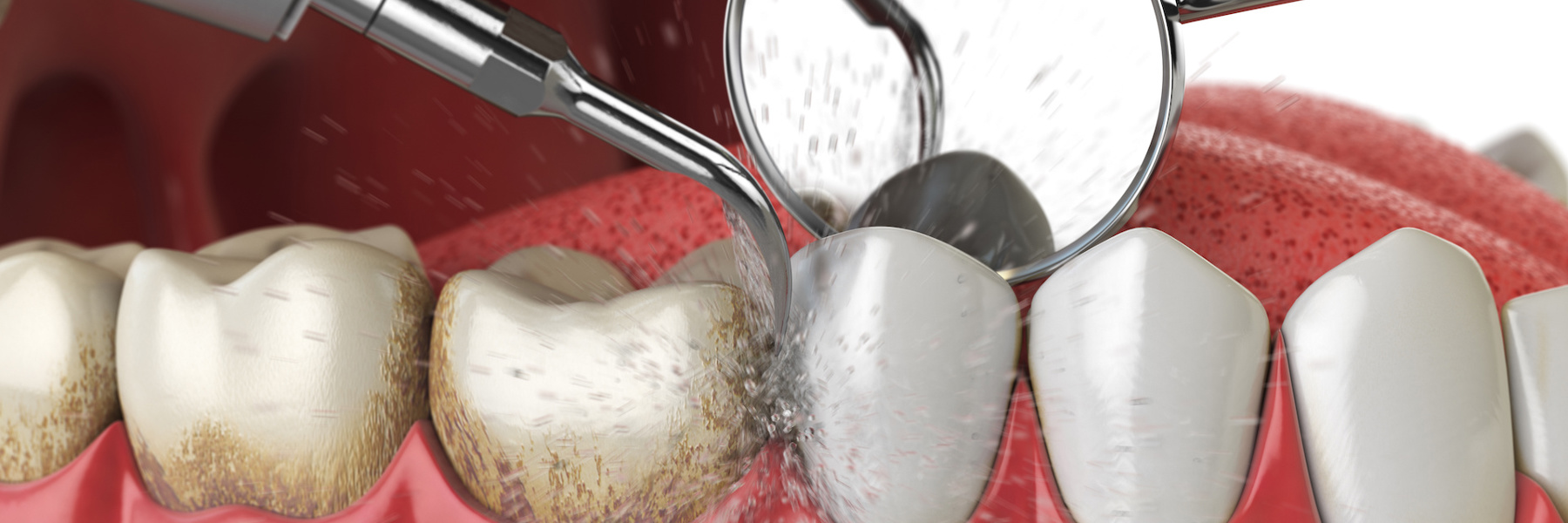
Your gums also tell an important story. Healthy gums should appear pink and firm, hugging the teeth without bleeding. Redness, swelling, bleeding, or recession may point to gingivitis or periodontal disease. Dr. Kimsey also looks for plaque buildup near the gumline, tartar accumulation, or persistent bad breath, all of which can indicate the need for extra attention at home.
These early observations provide valuable insight into your overall oral health, guide the rest of your exam, and help us personalize a care plan.
Assessing Bite Patterns and Integrity
Once you settle in, Dr. Kimsey assesses how your teeth come together, looking for signs of stress-related habits, like cheek biting, tongue indentations, or enamel fractures. An uneven bite can also lead to jaw discomfort, cracked teeth, and uneven or chronic wear. Flattened chewing surfaces often suggest bruxism, or teeth grinding, especially if accompanied by jaw tenderness. Certain indicators may signal the need for preventive or corrective solutions like nightguards or minor bite adjustments.
How These Smile Concerns Are Typically Treated
The features your dentist notices first often help guide what treatment may be recommended. Discoloration or uneven tone can often be improved with professional whitening or cosmetic dentistry, while crowded or misaligned teeth may be corrected with clear aligners. If a tooth is missing or cannot be saved, options like dental implants can restore both function and appearance. For patients who feel anxious about treatment, IV sedation dentistry can make visits far more comfortable and stress-free.
The Bigger Picture: Health Beyond Your Teeth
Your mouth reflects your overall health. Dry tissues may suggest medication side effects. Mouth sores or unusual patches can signal underlying conditions that require further evaluation. Identifying concerns early allows Dr. Kimsey and our team to proactively help you avoid discomfort, unnecessary expense, and long-term complications.
Expert Preventive Dental Care in Coral Gables, FL
If you’re in Coral Gables and want to learn more about how early detection protects your smile, contact Dr. Raymond Kimsey and the excellent Comfortable Dentistry team to schedule a consultation.