
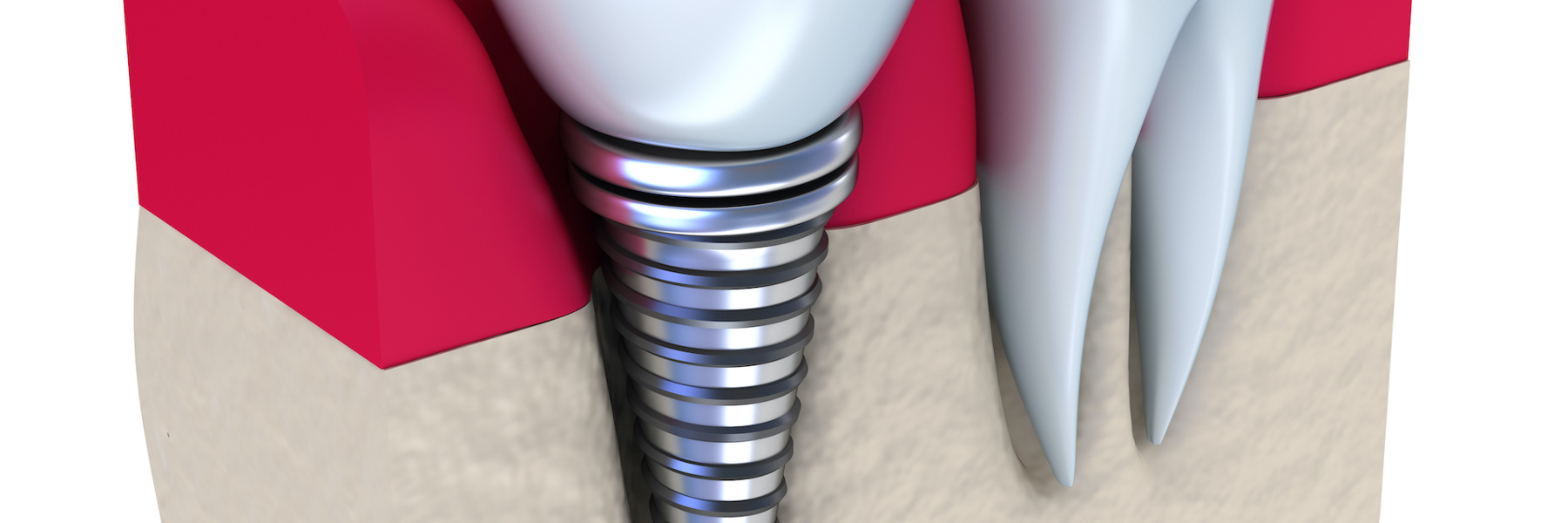

Upon learning that they don't have enough natural bone to support dental implants, many patients initially become discouraged and assume that the gold standard in tooth replacement is off the table. In reality, insufficient bone density doesn't mean the conversation is over. It just simply means a different approach to treatment planning.
Advances in modern implant dentistry have made it possible for many patients with bone loss to become candidates for implants through procedures like bone grafting and sinus lifts. At Comfortable Dentistry, Dr. Raymond Kimsey and our caring team help you understand your options and develop a treatment plan based on your unique goals and needs.
Why Bone Matters for Dental Implants
Dental implants function as artificial tooth roots, which means a healthy jawbone must support them. When tooth loss remains untreated for an extended period, the underlying bone stops receiving stimulation from the tooth root and begins to shrink. Over time, this deterioration can leave a patient with insufficient support for a dental implant and necessitate additional, supplemental procedures.
What Is Bone Grafting?
Bone grafting is a procedure designed to reinforce areas of the jaw that have lost volume or density. The procedure is routine in implant dentistry and has helped countless patients qualify for treatment they’d otherwise have been unable to receive.
During treatment, grafting material is placed in the area where additional bone support is needed. Over time, the body incorporates the graft material and develops new bone tissue. The process creates a stronger foundation that can support a dental implant.
Understanding Sinus Lifts
For patients missing upper back teeth, a lack of bone beneath the sinus cavity is a common challenge. A sinus lift addresses this by creating additional space between the jawbone and the sinus membrane. Bone grafting material is then placed into this space, allowing new bone to develop. The resulting increase in available bone in the upper jaw makes implant placement possible for many patients who were previously told they were not candidates.
The best way to determine your options is through a comprehensive examination and imaging evaluation. Advanced diagnostics allow your dentist to assess bone levels, identify anatomical considerations, and recommend the most predictable path forward.
Advanced Implant Solutions in Coral Gables, FL
If you've been told you don't have enough bone for dental implants, don't assume your options are limited. Contact Dr. Raymond Kimsey and the experienced team at Comfortable Dentistry to learn more about bone grafting, sinus lifts, and advanced implant treatment solutions.